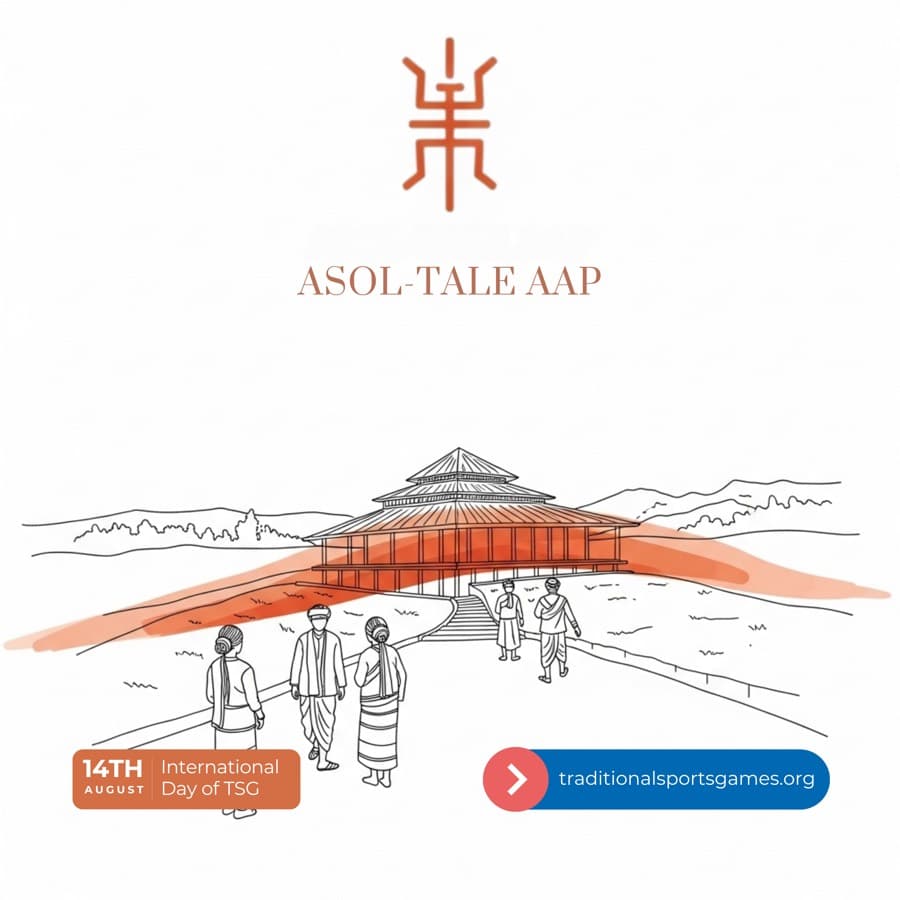
Asol-Tale Aap: Sand Canoe Racing from the Andaman and Nicobar Islands Asol-Tale Aap is a culturally rich variation of canoe racing held on the sandy coasts of the Andaman and Nicobar Islands, India. Practiced by indigenous coastal communities, this traditional sport blends traditional sports and games (TSG) with intangible heritage, indigenous knowledge, and communal celebration. Historical Background Asol-Tale Aap evolved as a recreational and ritual activity among islander tribes, primarily to celebrate local festivals and community unity. Unlike its water-based variant Asol Aap, this version takes place on the sand, offering a distinctive reflection of environmental adaptation and traditional ingenuity. Gameplay and Structure
Handcrafted canoes are used for the race, dragged or slid across sandy beaches. Participants either push or paddle the canoe in a race format. Events are typically held during festivals or tribal gatherings. The race is team-based and emphasizes timing, coordination, and physical stamina.
Cultural Relevance and Performing Arts The event is accompanied by tribal music, chanting, and traditional costumes, enhancing the cultural depth of the sport. The inclusion of songs and dances classifies Asol-Tale Aap under performing arts as well as social practices recognized by UNESCO’s safeguarding framework. Educational and Strategic Value
Promotes inclusive education through participation of children and youth. Supports intergenerational transmission of skills and cultural stories. Teaches coordination, physical fitness, and environmental awareness. Fosters community participation and shared identity among tribal groups.
Sustainable Development and Heritage Preservation Asol-Tale Aap aligns with UNESCO’s mission to protect intangible cultural heritage while contributing to the Sustainable Development Goals (SDGs) through traditional knowledge and coastal resilience. Alignment with Key SDGs
SDG 4: Quality Education – Promotes hands-on cultural and athletic education. SDG 5: Gender Equality – Increasing female participation in traditionally male-dominated roles. SDG 10: Reduced Inequality – Highlights and uplifts marginalized coastal communities. SDG 11: Sustainable Cities and Communities – Encourages heritage-integrated development. SDG 16: Peace and Strong Institutions – Builds community cohesion through peaceful play. SDG 17: Partnerships for the Goals – Strengthens ties between cultural NGOs and local tribes.
Community and Global Impact The sport serves as a source of youth empowerment, encouraging global health through physical activity and pride in indigenous heritage. It supports civil society engagement and promotes local tourism while respecting environmental sustainability and cultural diversity. Related Traditional Sports
Asol Aap – The water-based version of the canoe race. Vallam Kali (India) – Traditional snake boat racing in Kerala. Dragon Boat Racing (China) – A historic boat racing event symbolizing unity.
Call to Action Help us safeguard and promote traditional games like Asol-Tale Aap. These sports are not just cultural legacies but living traditions that enrich communities and bridge generations. Support, learn, and participate today. Get Involved Benefits of Joining Support ICTSG
About ICTSG: The International Council of Traditional Sports and Games (ICTSG) champions the protection of traditional sports like Asol-Tale Aap. Discover our mission, explore our history, or contact us to get involved.
When a sport disappears, it is like a language no longer spoken - its stories, values, and lessons risk being lost forever. When we revive a game, we revive a culture.
Khalil Ahmed Khan - President, ICTSG