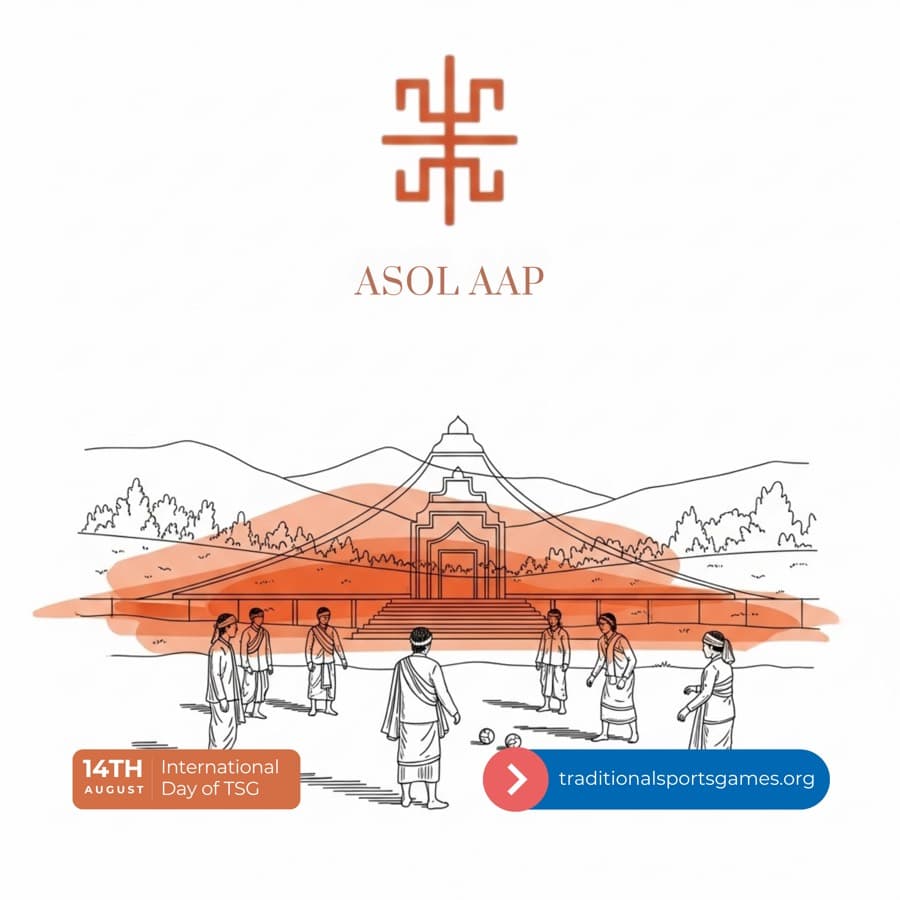
Asol Aap: Traditional Canoe Racing from the Andaman and Nicobar Islands Asol Aap is a traditional canoe race practiced by the tribal communities of India’s Andaman and Nicobar Islands. A compelling blend of indigenous knowledge, marine navigation skills, and physical endurance, Asol Aap is a vibrant symbol of intangible cultural heritage and community spirit. Historical Roots and Origins This water-based sport has been preserved through intergenerational transmission among the Nicobarese and other coastal tribes. Traditionally practiced during festivals and social gatherings, Asol Aap evolved as a community activity, essential for survival, travel, and trade across the archipelago. Gameplay Rules and Format
Participants race in handcrafted wooden canoes along a marked coastal route. Each canoe is manned by a team, often involving rhythmic paddling and team coordination. Races are held in calm waters or lagoons, typically during festive seasons or tribal ceremonies. The first team to complete the designated distance wins, promoting endurance, navigation, and strategic paddling.
Cultural and Social Significance Asol Aap represents social practices rooted in the maritime lifestyle of coastal tribes. It showcases cultural diversity and the importance of water-based traditions in the archipelago. The sport also incorporates elements of performing arts through accompanying songs, chants, and traditional attire. Educational and Community Value
Encourages inclusive education by involving youth in heritage-based physical learning. Preserves indigenous watercraft building techniques and local craftsmanship. Supports community participation and civil society engagement in preserving local traditions. Promotes youth empowerment through teamwork, discipline, and pride in cultural identity.
Strategic Importance and Safeguarding Heritage Asol Aap is a prime example of a sustainable traditional sport that supports UNESCO’s mission to protect intangible heritage. As climate change impacts coastal communities, safeguarding maritime TSGs like Asol Aap becomes essential for resilience and cultural survival. Alignment with UNESCO’s Sustainable Development Goals
SDG 4: Quality Education – Promotes experiential learning through cultural sports. SDG 5: Gender Equality – Encourages participation of women and girls in tribal games. SDG 10: Reduced Inequalities – Celebrates marginalized island communities. SDG 11: Sustainable Cities and Communities – Integrates heritage in local development. SDG 16: Peace, Justice, and Strong Institutions – Fosters peaceful competition and collaboration. SDG 17: Partnerships for the Goals – Enables cooperation among tribal councils, NGOs, and heritage bodies.
Similar Water-Based Traditional Sports
Dragon Boat Racing (China) – A cultural boat sport with strong ritual roots. Vallam Kali (India) – Snake boat races from Kerala celebrated during Onam. Dugout Canoe Paddling (Polynesia) – Indigenous navigation sports across the Pacific Islands.
Global Health and Environmental Consciousness Asol Aap inspires global health by promoting active outdoor lifestyles, cooperative team play, and appreciation for nature. Its practice fosters respect for marine ecosystems and contributes to sustainable development of coastal and island societies. Call to Action Join us in preserving Asol Aap and other traditional sports that enrich human culture. Whether you're a researcher, educator, student, or cultural enthusiast, your support is vital for transmitting these traditions to future generations. Get Involved Benefits of Joining Support ICTSG
About ICTSG: The International Council of Traditional Sports and Games (ICTSG) is committed to safeguarding indigenous sports like Asol Aap. Learn about our mission, explore our history, or contact us to become part of the global cultural movement.
When a sport disappears, it is like a language no longer spoken - its stories, values, and lessons risk being lost forever. When we revive a game, we revive a culture.
Khalil Ahmed Khan - President, ICTSG