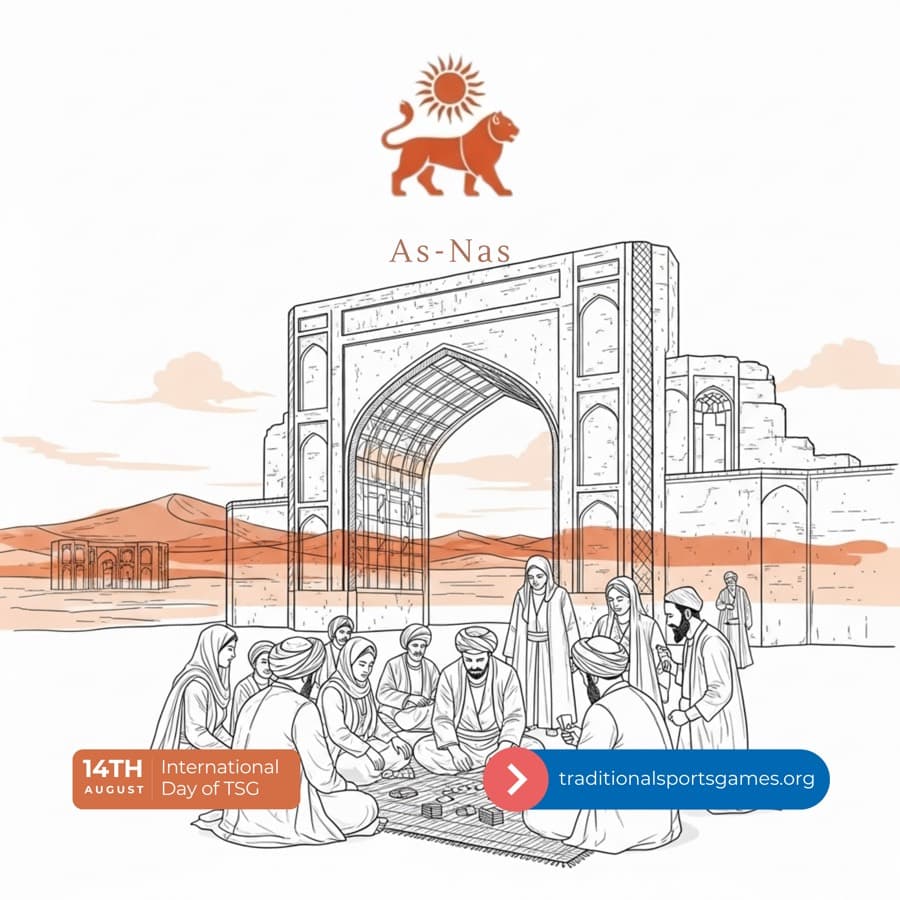
As-Nas: A Historic Persian Card Game As-Nas is a **traditional Persian card game** that dates back to the **17th century**. It is considered an **early ancestor of modern poker**, featuring **five unique card designs** and a betting system similar to poker. Historical Background As-Nas was widely played in **Persia** before gradually falling out of use in the **20th century**. The game was replaced by **European-style playing cards**, particularly after the **Foreign Trade Monopoly Act of 1931**, which regulated card imports. Gameplay and Rules
Played with a **deck of 20 or 25 cards**, featuring **five unique designs**. Cards include **As (Ace), Shah (King), Bibi (Queen), Serbaz (Soldier), and Couli (Dancer)**. Players bet on their hands, similar to **modern poker betting rounds**. The highest-ranking hand wins the pot.
Cultural Significance As-Nas is more than a game—it is a **symbol of Persian tradition and strategic thinking**. It fosters **intergenerational transmission, youth empowerment, and community participation**. Strategic Aspects and Benefits
Enhances **critical thinking and strategic planning**. Promotes **cultural pride and heritage preservation**. Encourages **social bonding and intellectual engagement**.
Educational Value and Community Impact Aligned with **UNESCO’s Sustainable Development Goals (SDG 4, 5, 10, 11, 16, and 17)**, As-Nas supports **inclusive education, social practices, and global health initiatives**. Similar Traditional Games Explore other traditional card games like Ganjifa and Mamluk Cards, which share similar artistic and strategic elements. Call to Action Join the movement to preserve As-Nas and other traditional games. Engage with ICTSG and support cultural heritage. Get Involved Benefits of Joining Support ICTSG About ICTSG: The International Council of Traditional Sports and Games (ICTSG) is dedicated to preserving, promoting, and revitalizing traditional sports and games as powerful tools for education, peace, and sustainable development.
About Us History Contact
When a sport disappears, it is like a language no longer spoken - its stories, values, and lessons risk being lost forever. When we revive a game, we revive a culture.
Khalil Ahmed Khan - President, ICTSG