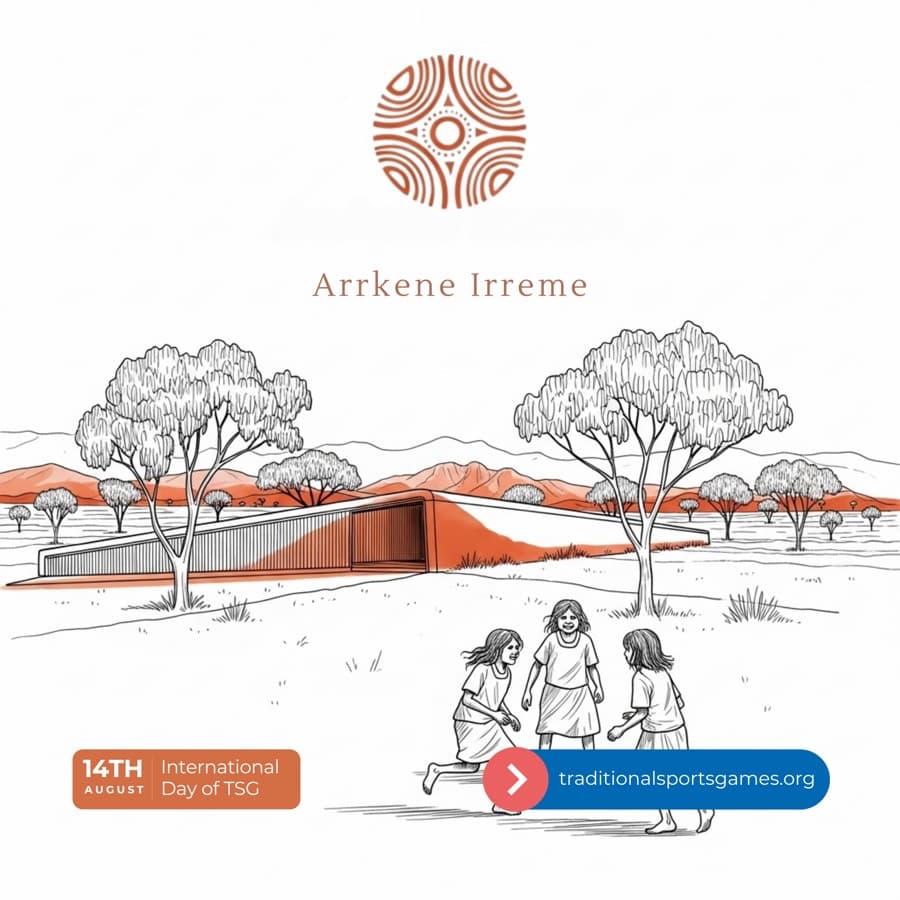
Arrkene Irreme – Aboriginal Sprint and Chase Game of Strength and Unity from Australia Arrkene Irreme is a traditional Aboriginal chase-and-tag game that has been passed down for generations among Central Australian indigenous communities. More than a physical exercise, it symbolizes community participation, intergenerational transmission, and the harmony between movement and land. This culturally rich activity aligns with the vision of the International Council of Traditional Sports and Games (ICTSG) and UNESCO's mission to safeguard intangible heritage and promote inclusive education. Historical Background and Cultural Origins Rooted in the ancestral traditions of the Arrernte people, Arrkene Irreme reflects the agility and endurance needed for both survival and ceremonial life. Played by youth during social gatherings, it helped forge bonds and cultivate respect for cooperation, coordination, and physical well-being—important values in Aboriginal societies. Gameplay Rules and Structure
Number of Players: Flexible, generally 5–15 participants. Objective: One player is chosen as the ‘tagger’ and chases others in a circular or open space to tag them. Tools/Equipment: No equipment is required—just open space and enthusiasm. How to Win: Players avoid being tagged; once tagged, roles rotate or points are counted based on agreed rules. Setting: Traditionally played on flat, open ground like dry riverbeds or clearings near campsites.
Cultural Significance and Symbolism This game serves as a dynamic representation of indigenous knowledge, mimicking pursuit techniques and encouraging awareness of surroundings. It embodies social practices and performing arts where children mimic adults and engage in physical expression. Importantly, it also reinforces respect for rules, agility, and cooperative spirit within a cultural context. Strategic and Educational Value
Enhances agility, coordination, and stamina. Promotes inclusive education by allowing participants of all skill levels to engage. Instills discipline, observation, and teamwork. Develops problem-solving skills through tactics and dodging. Reinforces intergenerational learning through active participation of elders and youth.
Community Impact and Social Inclusion
Fosters community pride and cultural identity in Aboriginal youth. Encourages civil society engagement through cultural festivals and educational programs. Supports global health and physical development via movement-based activities. Builds bridges between generations and supports cultural resilience through continued practice.
Alignment with UNESCO’s Sustainable Development Goals
SDG 4 – Quality Education: Offers non-formal, experiential learning opportunities. SDG 5 – Gender Equality: Inclusive and accessible to all genders. SDG 10 – Reduced Inequalities: Connects marginalized communities with heritage-based empowerment. SDG 11 – Sustainable Cities and Communities: Preserves traditional knowledge and encourages urban-rural cultural exchange. SDG 16 – Peace and Justice: Fosters peaceful play and community values. SDG 17 – Partnerships: Opens channels for collaboration between indigenous groups, educators, and cultural organizations.
Related Traditional Games
Kabaddi (South Asia) – A physical chase-and-tag game that builds endurance and group strategy. Buzkashi (Central Asia) – Though different in format, shares values of group coordination and competitive spirit. Lelo Burti (Georgia) – A traditional mass-sport emphasizing strength and community engagement.
Call to Action – Help Preserve Arrkene Irreme Traditional games like Arrkene Irreme are vital expressions of cultural diversity and community resilience. Their preservation ensures that youth inherit not just a game—but a living tradition of cooperation, agility, and respect. Support the ICTSG’s mission to keep these cultural treasures alive and active through education, policy, and participation. Get Involved Benefits of Joining Support ICTSG About ICTSG: The International Council of Traditional Sports and Games (ICTSG) is dedicated to preserving, promoting, and revitalizing traditional sports and games as powerful tools for education, peace, and sustainable development.
About Us History Contact
When a sport disappears, it is like a language no longer spoken - its stories, values, and lessons risk being lost forever. When we revive a game, we revive a culture.
Khalil Ahmed Khan - President, ICTSG