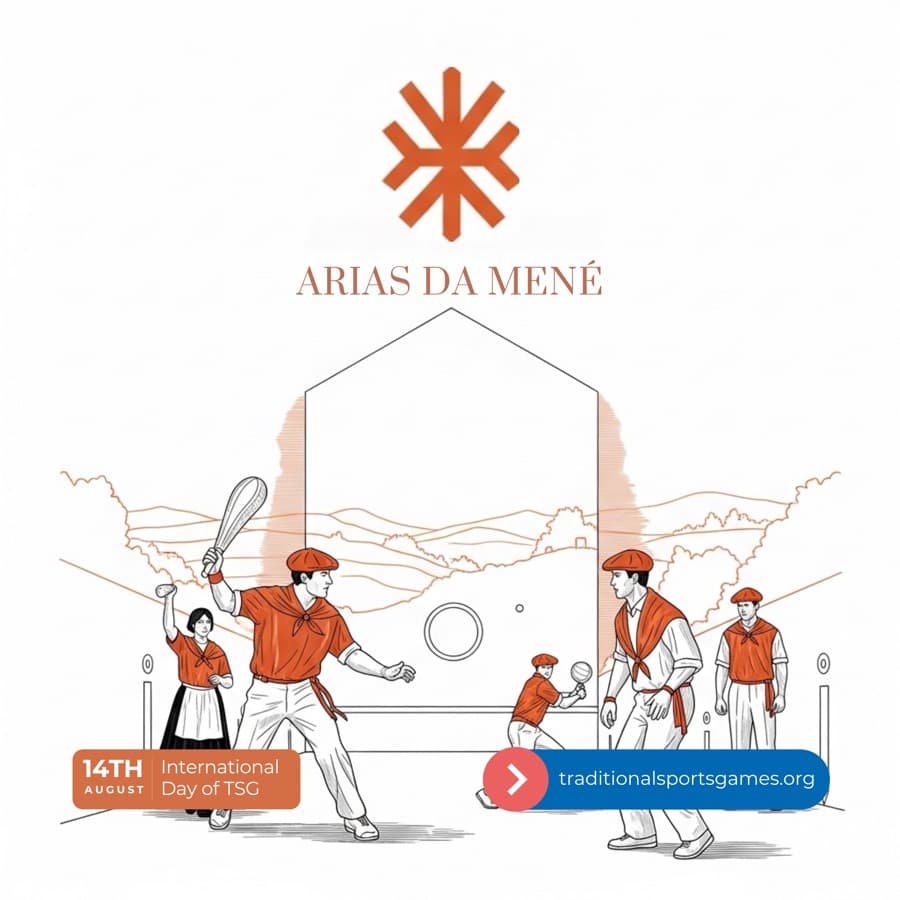
Arias da mene: Preserving an Indigenous Filipino Sport Through Generations Arias da mene is a cherished traditional sport and game (TSG) from the Philippines, deeply rooted in indigenous knowledge and celebrated within rural communities :contentReference[oaicite:3]{index=3}. Recognized as part of the nation’s intangible heritage, it exemplifies community pride, intergenerational transmission, and the values central to UNESCO’s safeguarding efforts. Historical & Cultural Background The specific origins of Arias da mene are traced to indigenous Filipino villages, where the sport was played during community gatherings and festivals :contentReference[oaicite:4]{index=4}. Passed down orally, the game has become a living expression of cultural diversity and rural identity. Gameplay Rules & Structure
Two opponents engage in a friendly wrestling match with no formal arena. Winning is determined by body control, balance, and skillful holds. The game fosters respectful physical engagement without causing harm. Often played in informal social settings that reinforce community participation.
Cultural Significance & Social Practices Arias da mene unites youth, elders, and families through physical activity. It reinforces performing arts in the form of movement and respectful competition, while nurturing values such as discipline, fair play, and mutual respect. Educational & Developmental Benefits
Inclusive education: Teaches balance, coordination, and cultural awareness to all participants. Youth empowerment: Builds confidence, resilience, and physical literacy. Global health: Encourages rural physical activity and well-being. Civil society engagement: Encourages community dialogue, sportsmanship, and inclusion. Low-cost participation: Requires no equipment—an equitable game for all socioeconomic backgrounds.
Alignment with UN's Sustainable Development Goals
SDG 4 – Quality Education: Offers experiential cultural learning. SDG 5 – Gender Equality: Games include both boys and girls. SDG 10 – Reduced Inequalities: Open to all in the community. SDG 11 – Sustainable Communities: Revitalizes local heritage and rural identity. SDG 16 – Peace & Justice: Promotes nonviolent, respectful competition. SDG 17 – Partnerships: Encourages collaboration between educators, elders, and cultural institutions.
Community Impact & Intangible Heritage Arias da mene strengthens community ties, sustaining rural traditions and forging shared identity. As elders teach the game to younger generations, cultural wisdom and local heritage carry on, reinforcing intergenerational links. Related Traditional Games
Luksong tinik (Philippines) – A leap‑and‑dodge game celebrating agility. Kabaddi (South Asia) – A team sport emphasizing tag and physical skill. Mukna (Manipur, India) – Indigenous wrestling promoting strength and technique.
Call to Action: Safeguard Arias da mene Support the preservation of Arias da mene by becoming part of the global movement protecting Filipino cultural heritage. Advocate for its inclusion in schools, festivals, and heritage programs to ensure its continuation. Get Involved Benefits of Joining Support ICTSG
About ICTSG: The International Council of Traditional Sports and Games (ICTSG) champions global heritage preservation through traditional sports. We promote cultural diversity, intergenerational learning, and peace. About Us | History | Contact
When a sport disappears, it is like a language no longer spoken - its stories, values, and lessons risk being lost forever. When we revive a game, we revive a culture.
Khalil Ahmed Khan - President, ICTSG