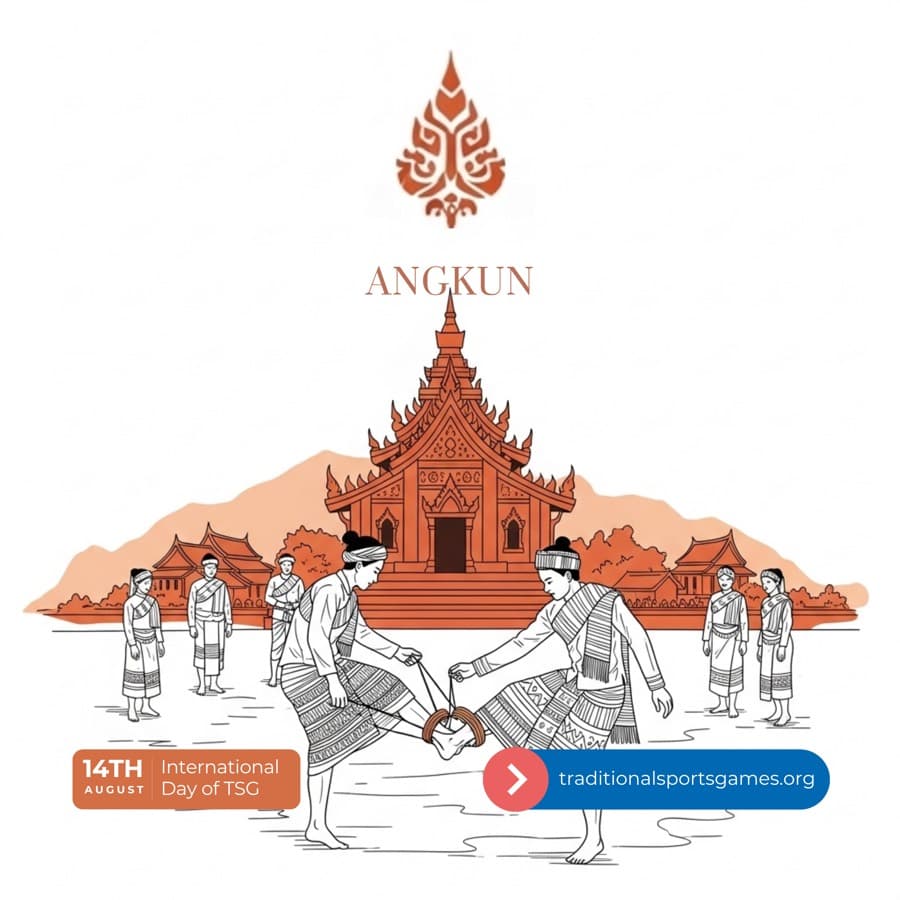
Angkun: Preserving Cambodia’s Traditional Game Through Generations Angkun, also known as "Angkunh," is a traditional Cambodian game deeply rooted in indigenous knowledge and intangible cultural heritage. Played widely during Khmer New Year celebrations, Angkun represents a vibrant component of Cambodia’s traditional sports and games (TSG) culture and showcases the country’s commitment to cultural diversity and community participation. Historical Background Originating centuries ago, Angkun was created by Cambodian villagers using natural materials such as fruit or seed-like objects resembling knuckle bones. It is commonly played in rural areas, especially during festive periods. The game promotes social practices that bring communities together across generations. Gameplay Rules and Equipment
Players: Typically played in teams or pairs, often by children and elders together. Equipment: Angkun seeds (or similar round stones) arranged in a line. Objective: Each player throws their own angkun to hit the opponent’s angkun and knock it away. Victory: Points are scored based on accuracy and number of successful hits.
Cultural Significance and Intangible Heritage Angkun is not merely a recreational game—it’s a dynamic expression of intergenerational transmission and inclusive education. As it is played among youth and elders alike, the game serves as a platform for teaching moral values, strategy, respect, and community bonding. It supports UNESCO’s efforts in safeguarding intangible heritage and contributes to sustainable cultural practices. Educational and Strategic Value Incorporating strategic thinking and social interaction, Angkun is an effective tool in inclusive education. It nurtures:
Youth empowerment through teamwork and friendly competition Global health via physical movement and outdoor engagement Civil society engagement through festivals and local tournaments
Community Impact and Sustainable Development Angkun supports several of the UN Sustainable Development Goals (SDGs):
SDG 4: Quality Education through cultural learning SDG 5: Gender Equality as both boys and girls participate SDG 10: Reduced Inequalities through accessible local games SDG 11: Sustainable Cities and Communities via heritage celebrations SDG 16: Peace, Justice, and Strong Institutions through community harmony SDG 17: Partnerships to achieve the Goal through TSG networks
Connecting with Global Traditions Angkun shares characteristics with other seed or object-targeting games globally. Explore more such traditional games at our Traditional Sports and Games section to see examples like Pachisi (India) or Sipa (Philippines). Call to Action: Join the Movement Preserve the cultural legacy of Angkun and other traditional games. Join our global efforts in safeguarding intangible heritage, empowering youth, and strengthening inclusive civil society engagement. Get Involved Benefits of Joining Support ICTSG
About ICTSG: The International Council of Traditional Sports and Games (ICTSG) promotes global awareness and safeguarding of traditional sports and games (TSG) in alignment with UNESCO’s vision. About Us | History | Contact
When a sport disappears, it is like a language no longer spoken - its stories, values, and lessons risk being lost forever. When we revive a game, we revive a culture.
Khalil Ahmed Khan - President, ICTSG