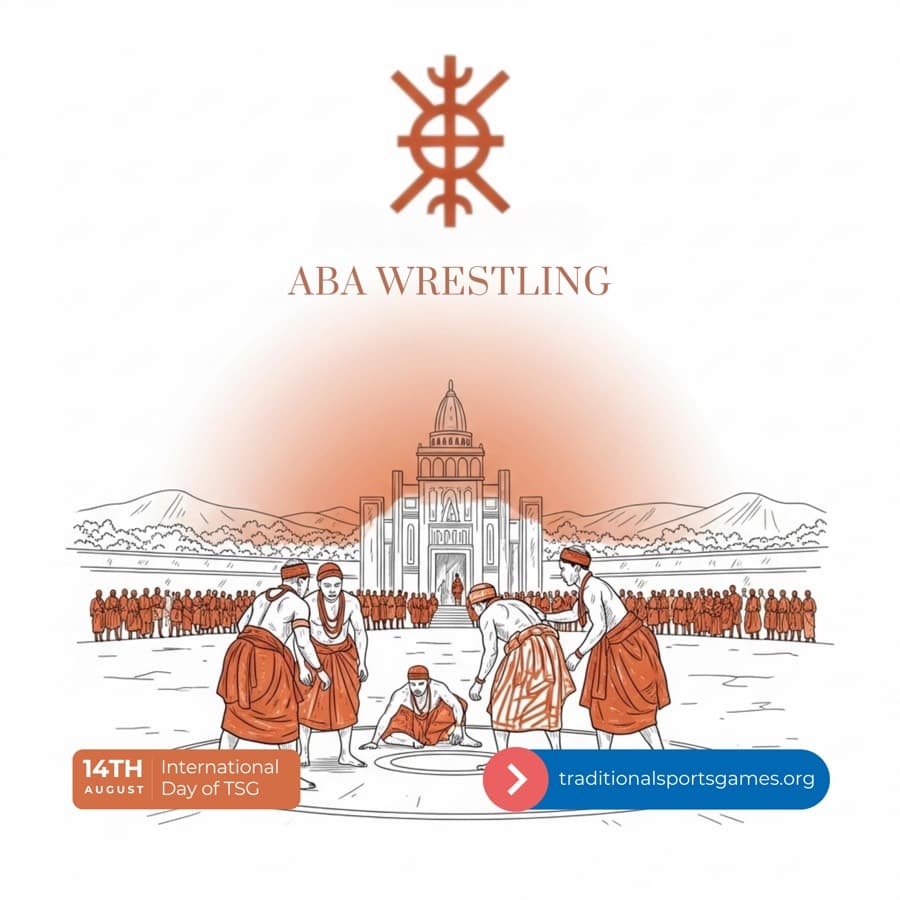
Aba Wrestling: Türkiye’s Traditional Martial Art Rooted in Cultural Identity Aba Wrestling (Aba Güreşi) is a centuries-old traditional sport of Türkiye rooted in community, honor, and cultural symbolism. As part of the region’s intangible cultural heritage, it reflects the rich traditions, rituals, and values of Turkish society. Recognized across Europe’s traditional sports and games (TSG) landscape, Aba Wrestling contributes to safeguarding indigenous knowledge while promoting unity and youth development. Historical Background Originating in the southern regions of Türkiye, particularly in the provinces of Gaziantep and Hatay, Aba Wrestling dates back to the Seljuk period. The word “Aba” refers to a special woolen garment worn during the match. Historically performed during festivals and local celebrations, it fostered intergenerational transmission and community bonding. Gameplay Rules and Techniques
Attire: Wrestlers wear a thick, handmade garment called the “Aba,” traditionally crafted from camel hair or wool. Objective: Wrestlers aim to unbalance or pin their opponent without using ground combat or submission holds. Techniques: Focuses on upright stance, balance, grip control, and foot sweeps — avoiding excessive force and prioritizing skill. Match Setup: Usually held in open fields during public gatherings with specific age and weight categories.
Cultural Significance and Social Role Aba Wrestling is more than a sport—it is a performing art combining tradition, respect, and symbolic attire. Matches often begin with ceremonial music and are held in the presence of elders, reflecting strong elements of social practices and community identity. Its cultural importance lies in:
Promoting mutual respect, fairness, and sportsmanship. Representing regional pride and heritage through symbolic garments. Preserving local languages, customs, and rituals within the match context.
Strategic Aspects and Educational Value While physical, Aba Wrestling is also deeply strategic—requiring body control, tactical foresight, and cultural understanding. As a tool of inclusive education, it teaches youth:
The importance of discipline and community values. Traditional combat forms and their non-violent philosophy. How cultural garments and rituals embody identity and dignity.
Community Impact and Global Health Benefits At a local level, Aba Wrestling enhances community participation and bridges generational gaps. Globally, it contributes to:
Youth empowerment through structured mentoring and competition. Improved global health via physical activity rooted in tradition. Revival of indigenous identity amidst modern sports homogenization. Increased civil society engagement through local clubs and heritage festivals.
Contribution to UN’s Sustainable Development Goals
SDG 4: Quality education via traditional, skill-based learning. SDG 5: Gender inclusiveness as modern initiatives encourage female participation. SDG 10: Reduced inequalities by promoting indigenous culture in global dialogue. SDG 11: Sustainable cities and communities through cultural celebrations and rural inclusion. SDG 16: Peace and strong institutions via conflict resolution through sport. SDG 17: Partnerships through networks like ICTSG and other cultural alliances.
Similar Traditional Combat Sports Globally
Kurash (Uzbekistan) – A ceremonial jacket wrestling rooted in Central Asian heritage. Ssireum (Korea) – A sand-ring based wrestling emphasizing strength and balance. Buzkashi (Afghanistan) – Though not wrestling, it shares ritualistic and community performance parallels.
Preserving the Legacy of Aba Wrestling Efforts to safeguard Aba Wrestling include local tournaments, school programs, documentation, and collaborations with international heritage councils. Protecting such intangible heritage ensures cultural resilience and promotes a future where diverse traditions are honored globally. Get Involved Benefits of Joining Support ICTSG
About ICTSG: The International Council of Traditional Sports and Games (ICTSG) promotes global cultural sustainability by preserving and revitalizing traditional sports. Through partnerships, education, and advocacy, ICTSG empowers communities and safeguards intangible heritage worldwide. About Us History Contact
When a sport disappears, it is like a language no longer spoken - its stories, values, and lessons risk being lost forever. When we revive a game, we revive a culture.
Khalil Ahmed Khan - President, ICTSG