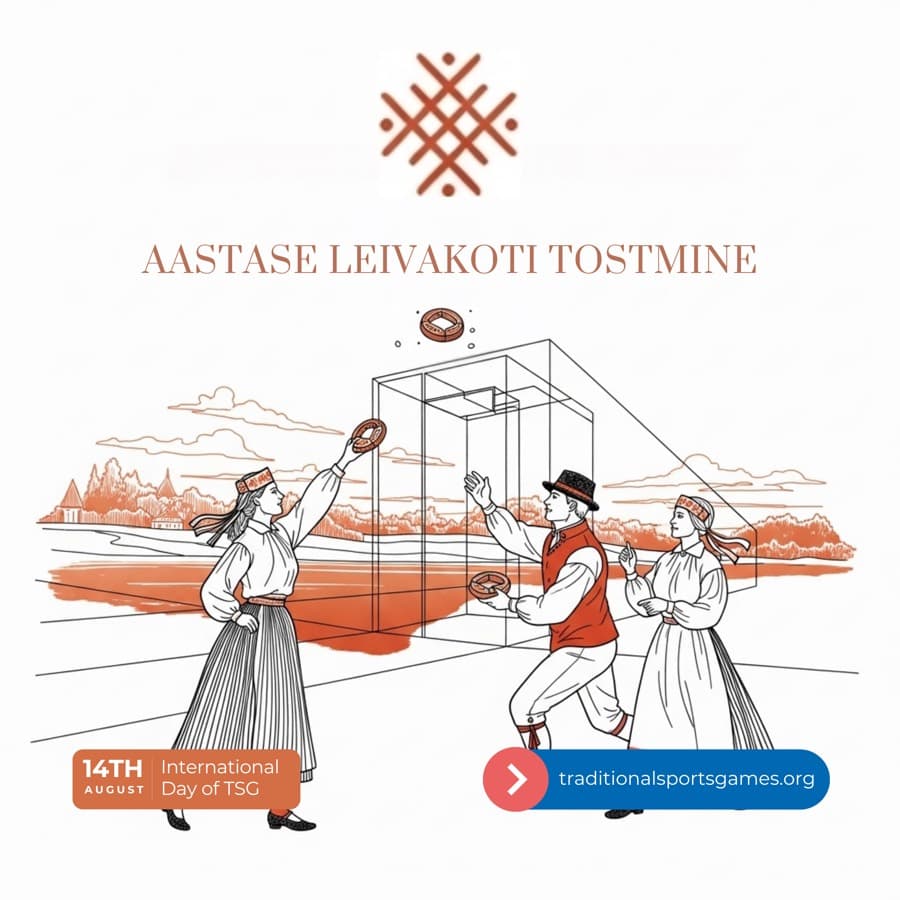
Aastase Leivakoti Tõstmine: Strength, Culture, and Community in Estonia Aastase leivakoti tõstmine, meaning “lifting the year-old bread bag,” is a traditional Estonian strength sport that reflects the nation's deep agricultural roots and traditional sports and games (TSG) culture. This unique heritage practice aligns with UNESCO’s mission to safeguard intangible cultural heritage and uphold community participation, youth empowerment, and intergenerational transmission. Historical Background Historically practiced in rural Estonian villages, Aastase leivakoti tõstmine originated as a test of strength during harvest festivals and communal gatherings. The “bread bag” represents sustenance and abundance—its lifting symbolized both physical strength and a family’s ability to sustain through the seasons. Rules and Gameplay
Object Lifted: A weighted sack traditionally filled with grain, now often standardized for competitions. Weight: Symbolically matches the average weight of a year's worth of bread flour (approx. 25–30 kg). Technique: Lifted from the ground above the head using clean form, often with both hands. Scoring: Based on repetitions or hold duration, depending on the local format.
Cultural and Social Significance This strength sport holds more than physical value—it is a social practice rooted in agricultural symbolism and cultural continuity. Practiced across genders and ages, the game fosters inclusive education, indigenous knowledge preservation, and civil society engagement.
Symbol of resilience and survival tied to the importance of bread in Estonian society. Embraces cultural diversity within rural and urban settings alike. Serves as a teaching tool for local history and communal responsibility.
Benefits and Strategic Importance
Physical Fitness: Encourages strength-building using traditional movements and materials. Educational Value: Used in local schools and festivals to transmit cultural history and healthy habits. Youth Empowerment: Youth clubs integrate this game to promote identity, discipline, and self-confidence.
Global Health and Sustainability Impact
Global Health: Promotes physical well-being in culturally engaging ways. Sustainable Development: Encourages reusable, natural materials and promotes outdoor activity. Community Participation: Central to local celebrations and intergenerational storytelling.
UN SDGs and Cultural Safeguarding
SDG 4: Offers heritage-based learning through local sports education programs. SDG 5: Inclusive by design—encourages participation across gender identities and age groups. SDG 10: Brings equal opportunities to rural and underserved youth. SDG 11: Strengthens local identity and supports community cohesion through shared traditions. SDG 16: Encourages peaceful competition and respect through communal celebration. SDG 17: Builds collaboration between NGOs, schools, and cultural bodies like ICTSG.
Global Connections and Comparative Games Many communities worldwide celebrate strength through symbolic lifting games. Similar examples include:
Mas-Wrestling (Yakutia, Russia) – Grip-based strength contest with indigenous roots. Highland Stone Lifting (Scotland) – Traditional displays of strength and honor in Celtic festivals. Sandbag Lifting (Philippines) – Village competitions tied to agricultural ceremonies and youth strength challenges.
Call to Action: Preserve, Promote, Participate Aastase leivakoti tõstmine is more than a strength game—it is a cultural thread tying past and present generations in Estonia. Safeguarding it through education, documentation, and global dialogue is vital for preserving humanity’s rich intangible heritage. Get Involved Benefits of Joining Support ICTSG
About ICTSG: The International Council of Traditional Sports and Games (ICTSG) promotes the preservation of global cultural identity through heritage sports. It unites nations, civil societies, and individuals under the shared values of education, sustainability, and inclusive development. About Us History Contact
When a sport disappears, it is like a language no longer spoken - its stories, values, and lessons risk being lost forever. When we revive a game, we revive a culture.
Khalil Ahmed Khan - President, ICTSG